Holiday Party Dress Code for Women: What to Wear — "Festive Attire" Decoded, From the Office Party to the Formal Gala
Most holiday invitations don't use a real dress code at all — they say "festive," which solves nothing on its own, so here's what that word actually means by occasion.
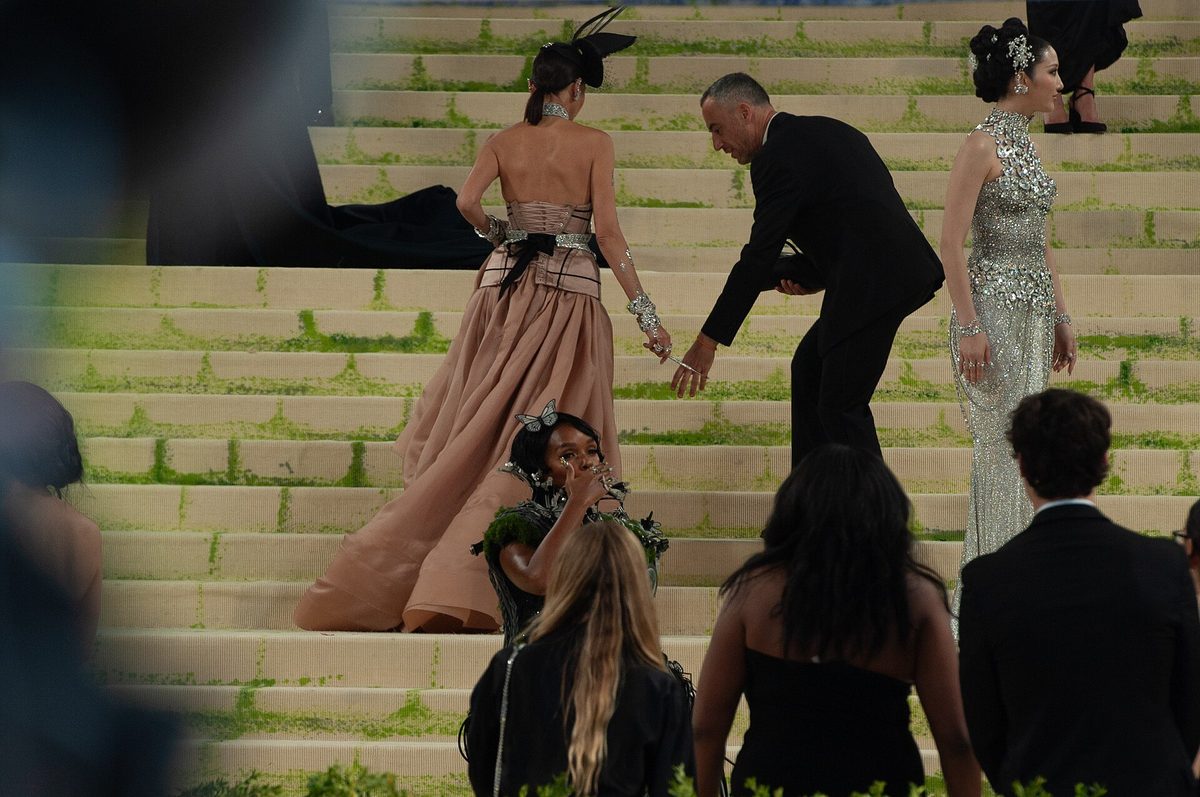
Holiday party invitations have a habit of dodging the question entirely. "Festive attire" shows up constantly on invites this time of year, and it isn't one of the standard dress codes — it's closer to a season layered on top of whatever the real formality level actually is. The useful way through it is to treat "festive" as a modifier, not a code on its own: figure out the underlying formality first, then add the seasonal element on top.
Festive Attire: The Code Invented for This Season
Festive attire reads as cocktail attire with a seasonal, playful touch added — a jewel-tone cocktail dress, a metallic skirt, a velvet blazer, a satin top, statement earrings, or a dressier boot than you'd wear to the office on an ordinary day. It's common specifically for December holiday parties and rarely used the rest of the year, which is part of why it trips people up: there's no year-round muscle memory for it the way there is for "cocktail" or "black tie." Treat it as cocktail attire's seasonal cousin, built around one celebratory element rather than a full change in formality.
Decoding the Invitation
The real formality of a holiday party usually hides in a few contextual clues rather than the dress code line itself: the venue, the time of day, and who's hosting. A restaurant party in the early evening with "festive attire" on the invite usually means elevated everyday workwear plus one celebratory element, nothing more. An actual "cocktail" dress code at an evening event means genuine dress-up — a knee-length or midi dress, a dressy jumpsuit, satin separates. An afternoon office party in a conference room, regardless of what the invite says, rarely calls for more than your best normal outfit with one shiny accent added.
The Office Holiday Party: One Notch More Conservative Than You'd Guess
A work holiday party is, functionally, a work event wearing a party costume, and the costume should stay a notch more conservative than what you'd wear to a purely social party at the same formality level. A useful mental check: hemlines and necklines one notch more covered than weekend-party wear, nothing you'd need to tug at or adjust in front of a senior colleague, and an outfit you'd be comfortable seeing circulated in a company group photo the next morning. Reliable combinations that hit this balance: a velvet blazer over a silk camisole and tailored trousers, a satin midi skirt with a fine-gauge knit, or a wrap dress in a jewel tone. Full head-to-toe sparkle reads as too much for this specific context — save it for a wedding or an awards-show-style gala, not the office party.
Cocktail-Level Holiday Parties
When an invitation specifies cocktail attire for an evening holiday event, the holiday framing doesn't change the underlying rules much — a cocktail dress at knee, at-the-knee, or midi length, dressy separates, or a dressy jumpsuit, in fabrics suited to the season. For winter cocktail events specifically, richer fabrics read as more seasonally appropriate than the lighter fabrics that work for a summer cocktail party: velvet, brocade, wool crepe and satin all feel at home in December in a way a light chiffon or linen doesn't.
Formal Holiday Galas
For the small minority of holiday events that are genuinely black tie — a formal company gala, a charity ball timed to the season — the standard black tie rules apply with the same seasonal fabric logic layered on top: a floor-length evening gown is the default, though a very formal cocktail dress, a formal midi, or dressy evening separates can work depending on how strictly the specific event enforces the code. This is the one holiday-party tier where the season doesn't actually loosen anything; it's full formal dressing with winter-appropriate fabric choices.
Fabrics and Colors That Read "Holiday" Without Reading Like a Costume
Velvet is the fabric most consistently associated with this specific season, in both crushed and smooth finishes, and it photographs well under the kind of warm indoor lighting most holiday parties are lit with. Sequins and metallics work too, but the styling principle that keeps them from reading as costume-y is restraint everywhere else in the outfit — a sequined dress paired with simple jewelry and clean, unfussy shoes reads as chic; the same dress piled with more sparkle on top of it reads as trying too hard. Jewel tones (deep emerald, sapphire, garnet, plum) do a lot of the same seasonal signaling as red and green without tipping into literal Christmas-costume territory, which makes them a safer default for anyone uncertain how literally a given party takes its own "festive" theme.
Accessories: Where to Add the One Celebratory Signal
The most reliable formula across every tier above is picking one celebration signal and anchoring the rest of the outfit around trusted, familiar pieces rather than changing everything at once: a velvet blazer with otherwise ordinary separates, a sequined clutch with an otherwise simple dress, or statement earrings as the only adornment on a plain jewel-tone dress. This is the same principle that makes smart casual and business casual work — one distinctive element, not an outfit built entirely from distinctive elements — applied specifically to the brighter, shinier materials this particular season makes available.
Shoes: The Detail That Dates Faster Than the Dress
Footwear carries a lot of the seasonal signaling that outfits in this category lean on. A dressier boot — ankle or knee-high, in suede or a metallic finish — works across nearly every tier here, from the office party up through cocktail attire, and has the advantage of being genuinely practical for whatever the weather is doing outside the venue. A classic heel in a jewel tone or metallic finish reads more formal and suits cocktail-tier and black-tie holiday events better than it does an office party. The one combination to avoid regardless of tier is anything that needs to be carried in and changed into once you arrive — if the shoes can't survive actually getting to the party, they're the wrong shoes for this particular season of events, which tend to involve more walking through cold parking lots and crowded entryways than a spring or summer party does.
What to Avoid
A few consistent mistakes show up across every formality tier: literal holiday-costume pieces (light-up sweaters, Santa motifs) at anything other than an explicitly costume-themed party; head-to-toe sequins or metallics at an office event, which reads as overdressed in a way that's specifically awkward around colleagues; and treating "festive attire" as license to wear something you'd actually save for a wedding or a red-carpet-adjacent event, which tends to outdress the room rather than fit into it.
The Quick Checklist
Before getting dressed for any party labeled "festive," work out the real underlying formality first (office casual, cocktail, or formal), pick exactly one celebratory element — a fabric, a color, or an accessory — rather than several at once, and check that element against the specific setting: a restaurant work party and a formal evening gala read the same word on the invitation very differently in practice.
Related articles
- Black Tie Dress Code for Women: What to Wear and Avoid — Length, Fabrics, Colours and Where Trousers Stand
- Cocktail Attire for Women: What It Means and What to Wear — Length, Fabrics and How It Differs From Formal
- Smart Casual Dress Code for Women: What to Wear — The One Rule Covers Dinner, Work Drinks and a Wedding-Adjacent Event at Once
- Business Casual Dress Code for Women: What to Wear — The Rule Changes by Industry More Than Most Guides Admit