The Little Black Dress: Where It Came From and How to Wear It Now
From Chanel's 1926 sketch in Vogue to Audrey Hepburn's Givenchy and Princess Diana's 1994 dress: why one simple idea has lasted a hundred years, and how to choose yours.
Very few garments have a birthday. The little black dress does. In 1926 American Vogue published a drawing of a short, simple black dress by Coco Chanel and called it Chanel's Ford, comparing it to the Model T: a design so simple and so accessible that everyone could have one. The magazine predicted it would become a sort of uniform for all women of taste. A century later the prediction still holds.
Why black was a surprise
Before the 1920s black did not mean chic. In the Victorian era it was the colour of mourning, which widows wore for at least a year, and it was the colour of servants' uniforms. Putting a fashionable woman in a plain black dress for the evening was a deliberate break with that. Chanel's own explanation was typically blunt: she said she imposed black, and that it was still going strong because black wipes out everything else around.
The timing helped. The dress was economical and practical, and it stayed popular through the Great Depression and the Second World War, when fabric was rationed and more women went out to work. A dress that could go from day to evening with a change of accessories was exactly what those years needed.
How the screen made it famous
Cinema did the rest. Black photographed reliably when early colour film distorted other shades, so costume designers reached for it. In the 1950s, after Christian Dior's New Look, the black dress on screen became the uniform of the femme fatale.
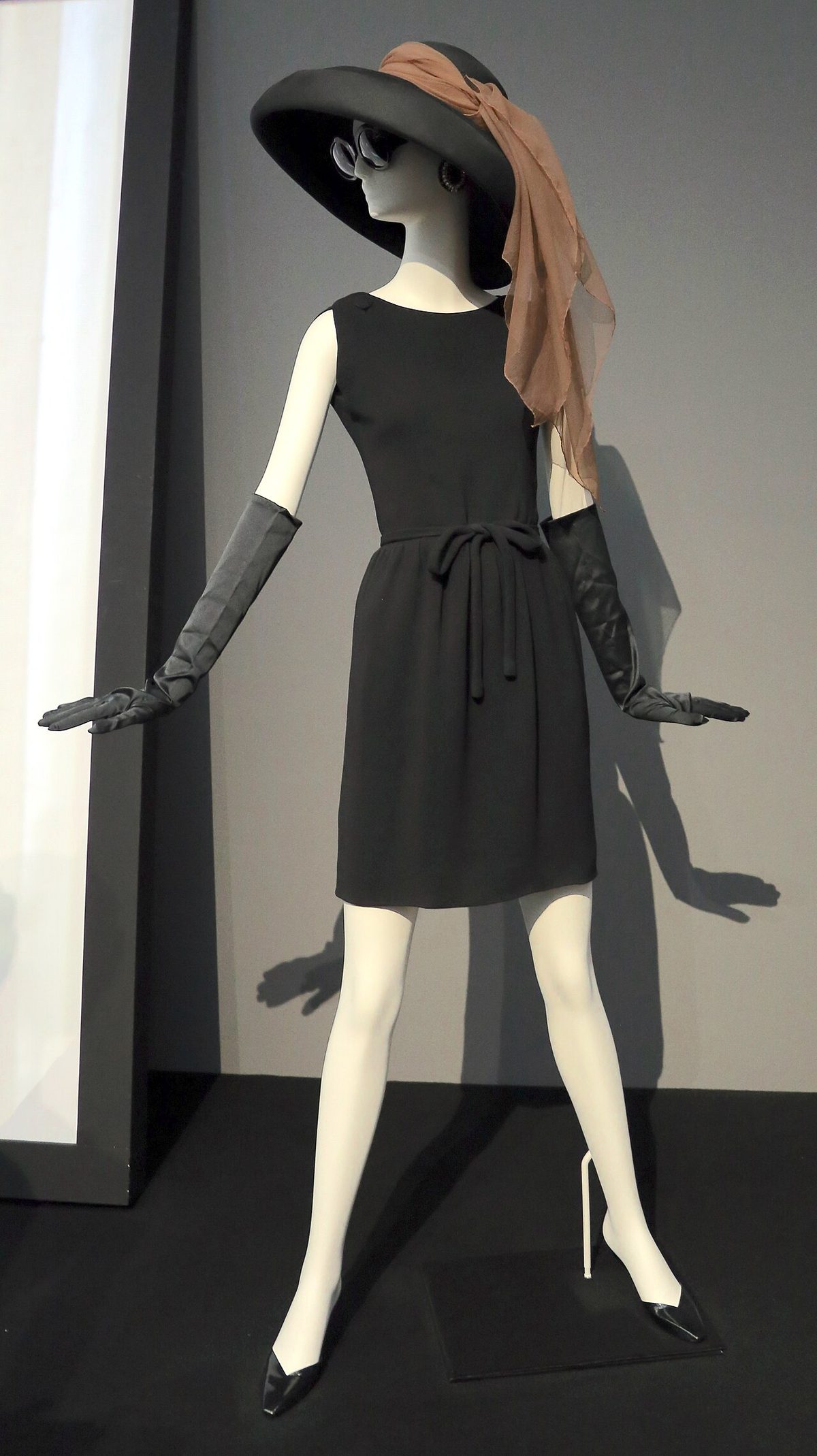
Then came the most famous one of all. In 1961 Audrey Hepburn wore a black Givenchy dress with pearls in the opening of Breakfast at Tiffany's, and that image became the definition of the style. The dress itself was sold at auction in 2006 for 410,000 pounds, six times its estimate.
The dresses everyone remembers
Edith Piaf performed in a plain black sheath for her whole career, so that audiences would listen to the voice instead of looking at the clothes. Wallis Simpson, the Duchess of Windsor, left the line most often quoted about it: when a little black dress is right, there is nothing else to wear in its place.
In June 1994 Diana, Princess of Wales, wore a short black dress by Christina Stambolian to the Serpentine Gallery's summer party in London. It remains one of the most photographed dresses of the century, and a reminder that a black dress is not always a quiet choice.
Each generation has since redrawn the shape. The 1960s cut it into a mini. The 1980s gave it broad shoulders and peplums. The 1990s wore it with combat boots. The idea survived every version, which is the best evidence that it works.
Why it works
Three things explain its staying power. Black is a single unbroken colour, so the eye reads the line of the dress instead of its details. A plain dress is a blank background, so shoes, jewellery, a jacket or a coat can change its mood completely. And because it carries no print or trend detail, it does not date quickly.
How to choose one
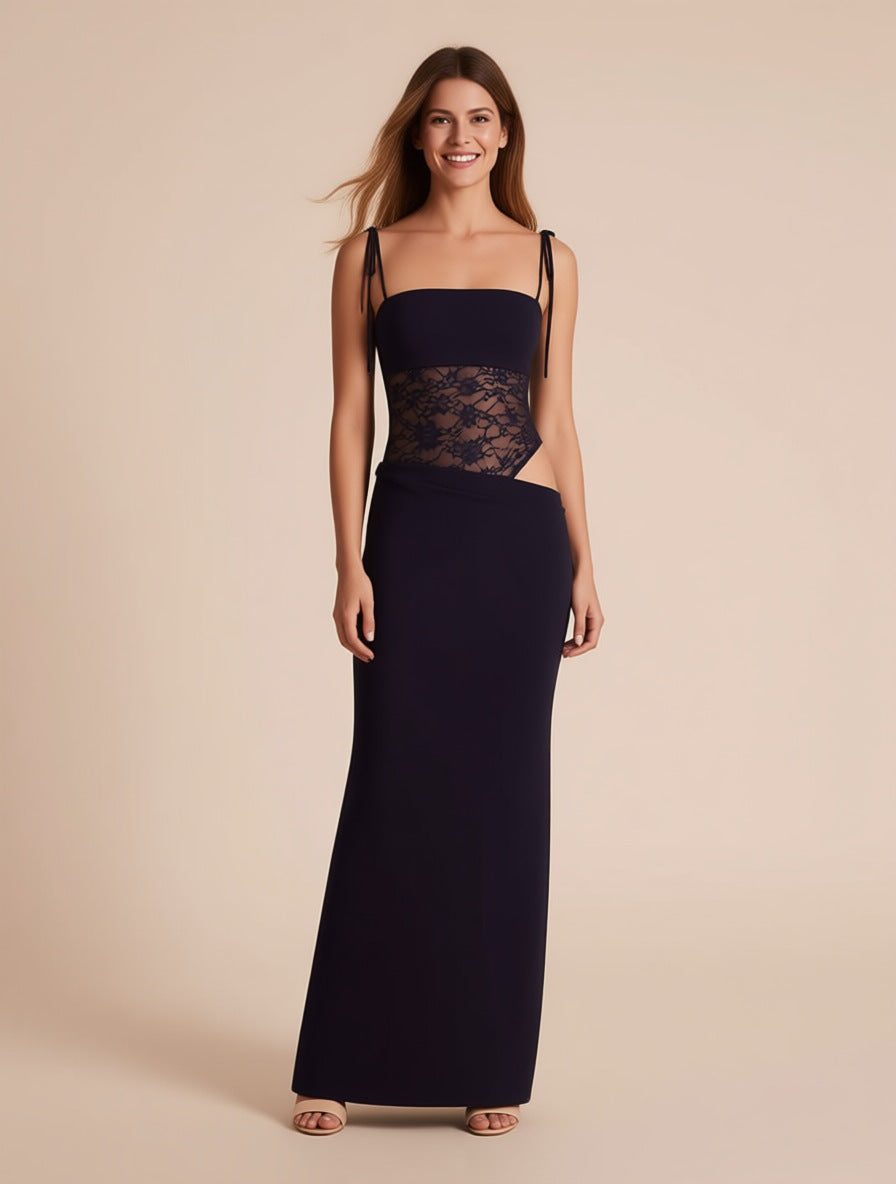
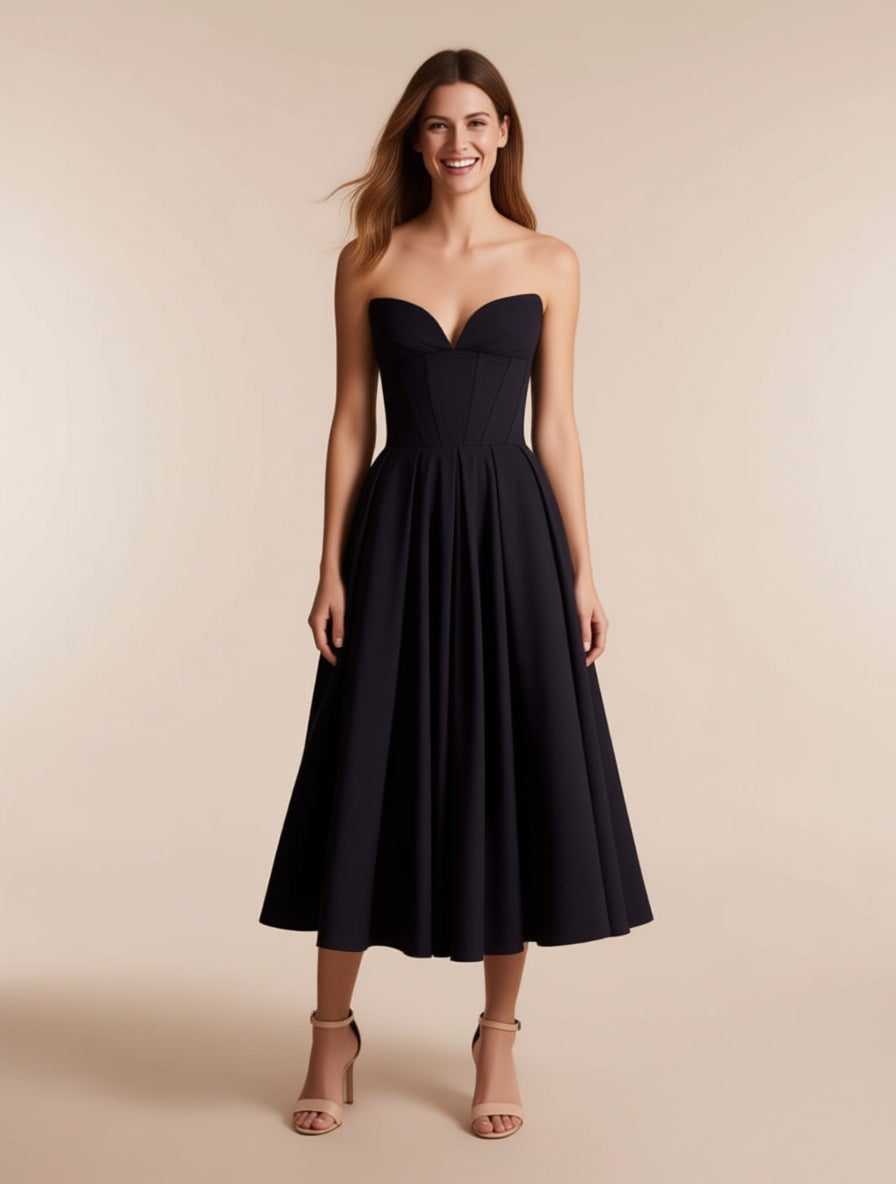
Start with shape, and pick the simplest one that suits you: a sheath, a slip, a fit-and-flare, a wrap. Decoration is what dates a dress, so the plainer it is, the longer you will wear it.
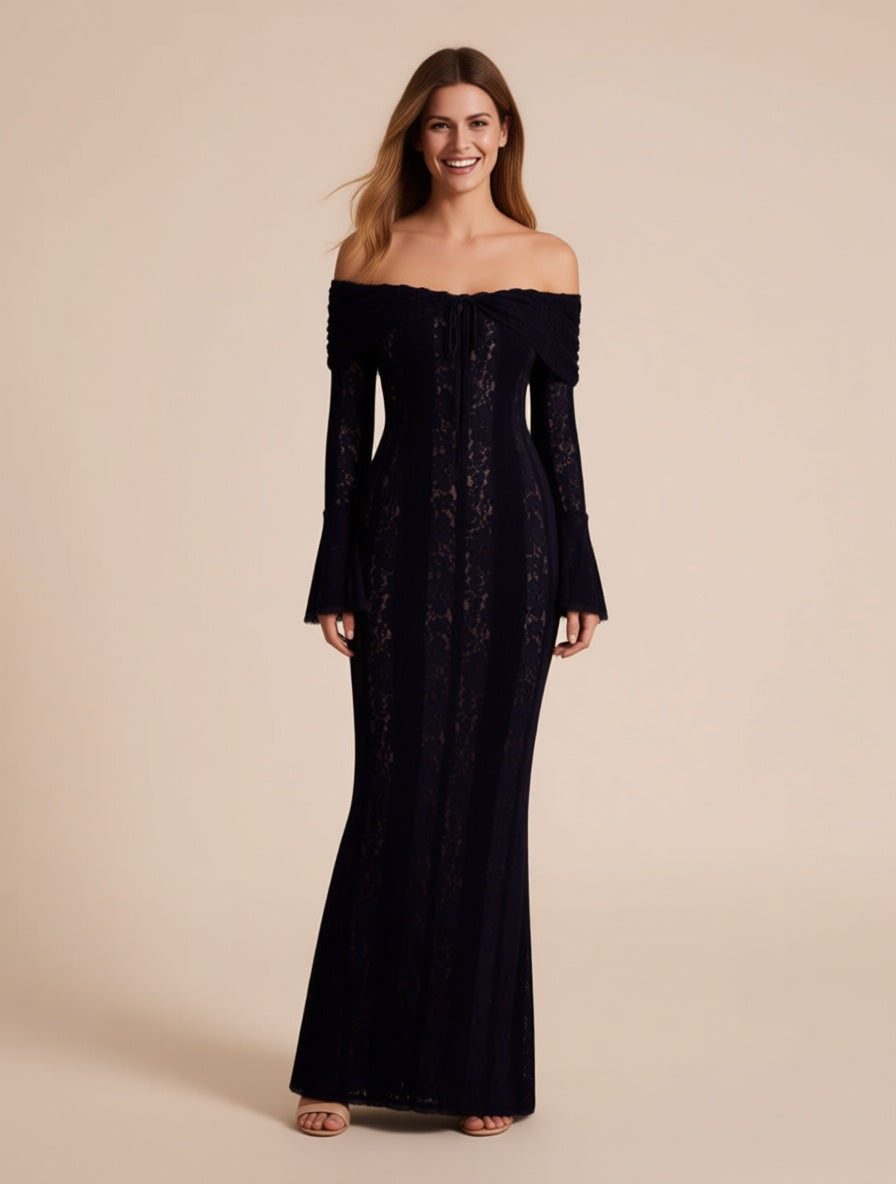
Then choose the fabric for the life the dress will lead. Crepe is the most versatile, with enough weight to hang well and no shine, so it works by day and by night. Satin and velvet are for evening. Lace sits in between. A matte black in a good fabric looks more expensive than a shiny one in a poor fabric.
Length decides where you can wear it. At the knee or midi, a black dress covers the office, dinner, cocktail events and most weddings. A long version moves into formal territory. The Emily Post Institute lists your dressiest little black dress among the options for black tie, and a plainer one for semi-formal.
One caution from Debrett's is worth keeping in mind: wearing black does not by itself guarantee the right level of formality. A black cotton sundress is still a sundress. It is the fabric and the cut that make a black dress formal, not the colour.
How to wear it now
For the office or daytime, add a tailored jacket, loafers or low heels and a structured bag. For a cocktail event, take the jacket off and change to heels, a small bag and one strong piece of jewellery. For a formal evening, choose the long version or the richest fabric, and add an evening coat or wrap.
The Hepburn formula still works exactly as it did in 1961: a plain black dress, pearls, hair up. So does the opposite approach, which is to treat the dress as a background for one loud thing, a red shoe, a bright coat or large gold earrings. What rarely works is several loud things at once.
At a wedding, black is generally fine for evening and for formal dress codes. For a daytime or summer ceremony it can look heavy, so lift it with colour in the shoes, bag or wrap, or choose a lighter fabric.
The short version
Buy the plainest black dress that fits you well, in the best fabric you can afford, at a length you can wear in more than one place. Then stop shopping for dresses for a while and spend the attention on what goes with it. That is how the idea was meant to be used in 1926, and it is still the most economical piece of fashion advice there is.
| Year | Moment | Why it mattered | |
|---|---|---|---|
| 1926 | Chanel's short black dress appears in American Vogue as Chanel's Ford | Black becomes fashion instead of mourning | |
| 1930s-40s | The dress stays popular through the Depression and wartime rationing | Economical, practical, works from day to evening | |
| 1961 | Audrey Hepburn wears Givenchy in Breakfast at Tiffany's | The black dress with pearls becomes the reference image | |
| 1994 | Diana, Princess of Wales, wears Christina Stambolian to the Serpentine Gallery | Proof that a black dress can be a statement | |
| 2006 | The Hepburn Givenchy dress sells at auction for 410,000 pounds | Six times its estimate |
Shop the look