Semi-Formal Dress Code for Women: What to Wear and Avoid — Why Fabric Matters More Than Length, and Length Matters More Than Color
The dress code that confuses people most because it's defined by what it isn't: not as strict as black tie, not as loose as cocktail. Here's what actually fills that gap.
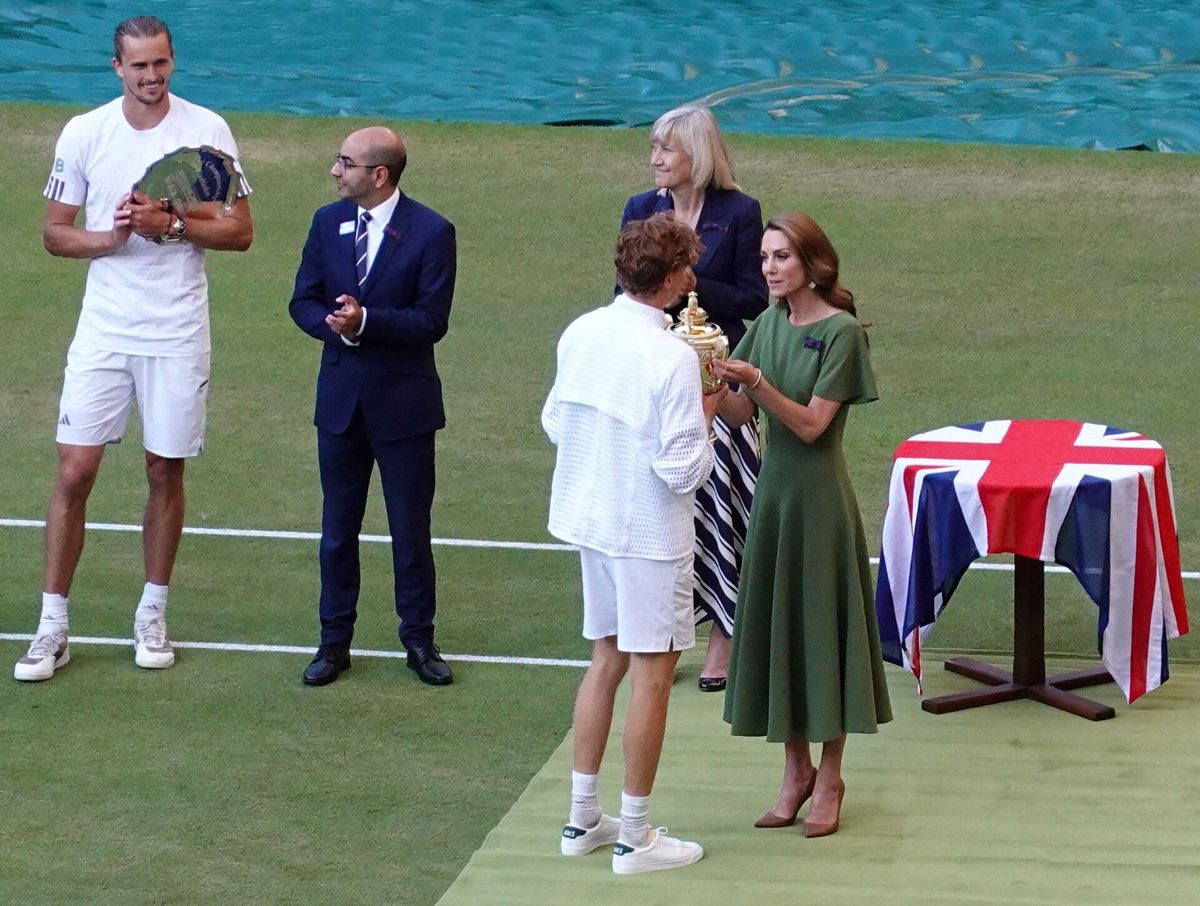
"Semi-formal" shows up on more invitations than almost any other dress code, and it's also the one people get wrong most often — partly because, unlike black tie or white tie, it has no fixed rulebook, just a general zone on the formality scale that shifts depending on the event, the time of day, and who's hosting. Style guide Gentleman's Gazette places it precisely: semi-formal "falls just below Black Tie Optional and above Cocktail Attire on the formality scale," with the same basic dignity as more formal dress codes but more room to move. For women, that translates into a fairly specific set of choices, even if the invitation itself never spells them out.
Length: midi and knee are the safe zone
Across stylist guides, the two lengths that keep coming up are midi and knee. Fashion retailer Sheike puts it plainly: "Knee-length and midi are the two safest lengths for a semi-formal dress code," noting that midi in particular "works particularly well for daytime weddings and outdoor venues." Style site Luxe Digital goes further, calling midi "the safe answer for length" because "it clears the office, it avoids the gown, and it reads as intentional in nearly every room." Floor-length is the one length both guides steer away from — it reads as black tie, not semi-formal, and risks overdressing relative to everyone else in the room.
Fabric decides more than color does
The detail that separates a genuinely semi-formal look from a work dress that's merely dark-colored is fabric, not shade. Luxe Digital is blunt about it: "Fabric decides more than length does." The guide lists silk, crêpe, satin, velvet and lace as the materials that read as dressed-up, and names the opposite list explicitly — cotton poplin, jersey, denim, linen and ribbed fabrics, all of which "read as workday attire" regardless of how well they fit or how dark the color is. Sheike makes the same point from the other direction: "A dress in a structured or fluid fabric, such as satin, crepe, lace or a jacquard, is the most reliable option," and warns that "a cotton sundress will read as too casual even in a flattering shade" — in other words, a navy cotton sundress is still a cotton sundress.
Daytime vs. evening changes more than the clock
Semi-formal isn't one fixed outfit — it shifts with the time of day. For daytime events, both guides point toward lighter colors, prints and matte finishes, with Sheike specifically recommending "a wrap or A-line dress in lace or crepe" with a low block heel for an outdoor daytime wedding. For evening, the palette darkens and the finish gets shinier: Luxe Digital's version is "dark tones (black, navy, deep green, burgundy), satin/velvet/jacquard, finer heels, smaller bags," while Sheike suggests "a fitted midi dress with a strappy heel and a small clutch" for an evening engagement party or work function. The practical rule: if the invitation says the event starts after 6 p.m., lean darker and shinier; before that, lean lighter and more matte.
Shoes and accessories: less is doing the work
Both guides agree heels are the default, with flexibility for the setting. Sheike recommends "a mid to high heel, such as a strappy sandal, block heel or court shoe," adding that for an outdoor venue, "a block heel or wedge offers the same polish with better stability" — a detail worth remembering before a garden wedding on grass. Luxe Digital is specific about evening footwear too: "a plain leather or satin pump, or a slingback in a dark neutral." On accessories, the advice converges on restraint: Luxe Digital says to carry "a clutch or a small crossbody" — never a tote — and to "pick one piece and let it be the one people notice," rather than stacking jewelry. Sheike's version is softer but points the same direction: jewelry should "add shine without competing with the dress."
What actually reads as a mistake
The two guides' "avoid" lists overlap almost entirely, which makes them worth taking seriously. Floor-length gowns and heavily embellished or full-skirted maxi dresses both skew too formal, pushing a semi-formal look into black-tie territory it wasn't meant to occupy. On the other end, work dresses in matte cotton or jersey, denim, and anything beach-adjacent read as too casual, even in a dressy silhouette. Sheike flags one detail that's easy to miss: linen "creases within an hour of sitting" — a fine fabric for a daytime office, a liability at a seated dinner. And if the semi-formal event in question is a wedding, both guides are specific that white, ivory and cream are off-limits for guests, a rule that predates and outlasts any particular dress code.
The dress isn't the only option
A dress is the default answer, but it isn't the only one. A tailored jumpsuit or a well-cut pantsuit in the same fabric family — satin, crepe, a fine wool-blend with drape — reads as equally semi-formal, and solves the daytime-to-evening transition more easily than a dress does: the same cut can work at an afternoon engagement party and, with a change of shoes and jewelry, at the evening dinner that follows. The fabric rule still applies in full: a cotton-blend pantsuit reads as office wear the same way a cotton sundress does, no matter how sharp the tailoring. For anyone who finds dress-length rules genuinely stressful to calibrate per event, a well-chosen jumpsuit sidesteps the length question entirely while staying inside every other rule in this guide.
Where semi-formal sits next to everything else
The confusion mostly comes from semi-formal sitting in the middle of a formality scale most people have never seen laid out. Cocktail attire sits just below it — shorter, lighter, more playful with color and print. Black tie optional sits just above — floor-length is acceptable there in a way it isn't for semi-formal, and the fabric expectations get stricter. Semi-formal is the dress code that borrows some polish from the level above and some ease from the level below, which is exactly why "just wear something nice" never actually answers the question.
The short version: when an invitation says semi-formal, a midi or knee-length dress in a fabric with real weight or shine — satin, crêpe, lace, velvet, jacquard — worn with a heel and one piece of jewelry that matters, will be right in almost every room. Adjust the color and finish for daytime versus evening, skip the gown, skip the cotton sundress, and the dress code stops being a mystery.
| Cocktail | Semi-Formal | Black Tie Optional | |
|---|---|---|---|
| Typical length | Knee-length, can be shorter | Knee-length to midi | Midi to floor-length |
| Fabric | Playful — cotton blends, fun prints fine | Satin, crepe, lace, velvet, jacquard | Satin, silk, lace, structured formal fabrics |
| Color | Bright colors and prints welcome | Lighter by day, darker by night | Darker, richer tones favored |
| Shoes | Heels or dressy flats | Heel, block heel, or dressy slingback | Formal heels, evening sandals |
| What to avoid | Overly casual fabrics, beachwear | Floor-length gowns, cotton sundresses, denim | Short, casual, or daytime-leaning pieces |
Related articles
- Black Tie Dress Code for Women: What to Wear and Avoid — Length, Fabrics, Colours and Where Trousers Stand
- Business Casual Dress Code for Women: What to Wear — The Rule Changes by Industry More Than Most Guides Admit
- Cocktail Attire for Women: What It Means and What to Wear — Length, Fabrics and How It Differs From Formal
- Holiday Party Dress Code for Women: What to Wear — "Festive Attire" Decoded, From the Office Party to the Formal Gala