White Tie Dress Code for Women: The Strictest Invitation, Explained
What white tie requires, where you will still meet it, from state banquets to the Met Gala, and how gloves, tiaras and jewellery are worn.
White tie is the most formal dress code in Western dress, and the only one that leaves almost nothing to interpretation. Most people will never receive a white tie invitation. But it still exists, it still appears on some of the most photographed evenings of the year, and when it does appear the rules are the reason the room looks the way it does.
What white tie requires
For men it is a black tailcoat, a white waistcoat and a white bow tie. For women it is a full-length ball gown or evening gown. Debrett's gives the rule without softening it: full-length, formal evening dresses, and shorter dresses or trousers, no matter how smart, are not acceptable. The Emily Post Institute lists exactly one item for women under white tie, a formal floor-length evening gown, with long gloves as an option.
That is the whole difference from black tie. Black tie allows a cocktail dress, evening trousers and a degree of personal reading. White tie allows a long dress.
Where it comes from
Black and white became the standard colours of evening wear by the 1840s, and the white bow tie and white waistcoat were fixed in place by the 1870s. For decades this was simply what formal evening dress meant.
The decline began after the First World War, when the more comfortable dinner jacket, the basis of black tie, took over ordinary evenings. By 1953 an etiquette writer could note that tails were worn only for the most formal and ceremonious functions. In the United States, John F. Kennedy in 1961 was the last president to wear white tie at an inauguration.
Where you will still meet it
White tie survives where ceremony matters more than comfort. State banquets and state dinners use it. So does the Nobel Prize banquet in Stockholm and the Vienna Opera Ball. In London it is worn for the Lord Mayor's dinner at Mansion House, and in the United States for the Gridiron Club Dinner in Washington and the Alfred E. Smith Memorial Foundation Dinner in New York.
It also survives among the young. Debutante balls keep it, and so do university balls such as the Commemoration balls at Oxford and the May balls at Cambridge. A small number of very formal weddings ask for it too.
Fashion returns to it from time to time. The Met Gala set a white tie dress code in 2014, for its Charles James exhibition, and again in 2022 under the theme Gilded Glamour. Those are the years when the red carpet filled with full skirts, long gloves and tiaras, and the dress code is the explanation.
The dress
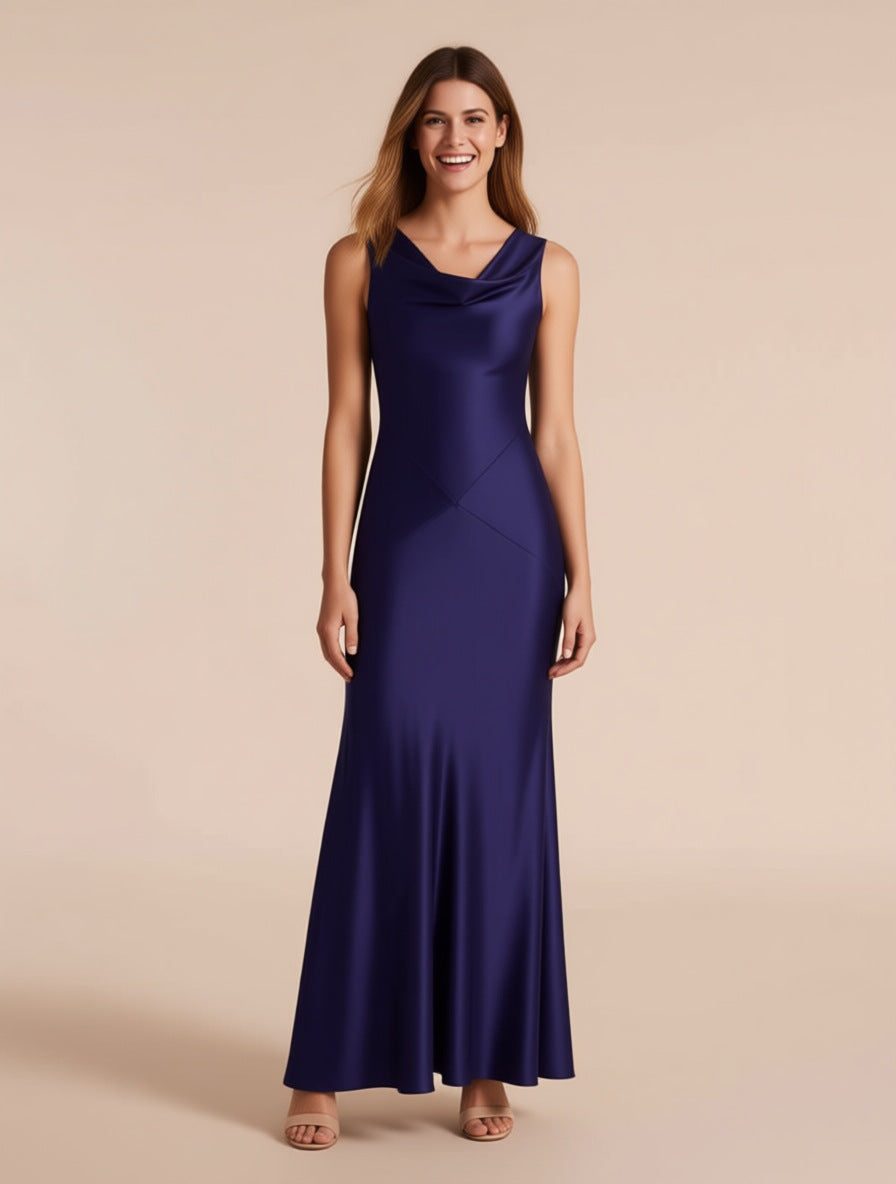
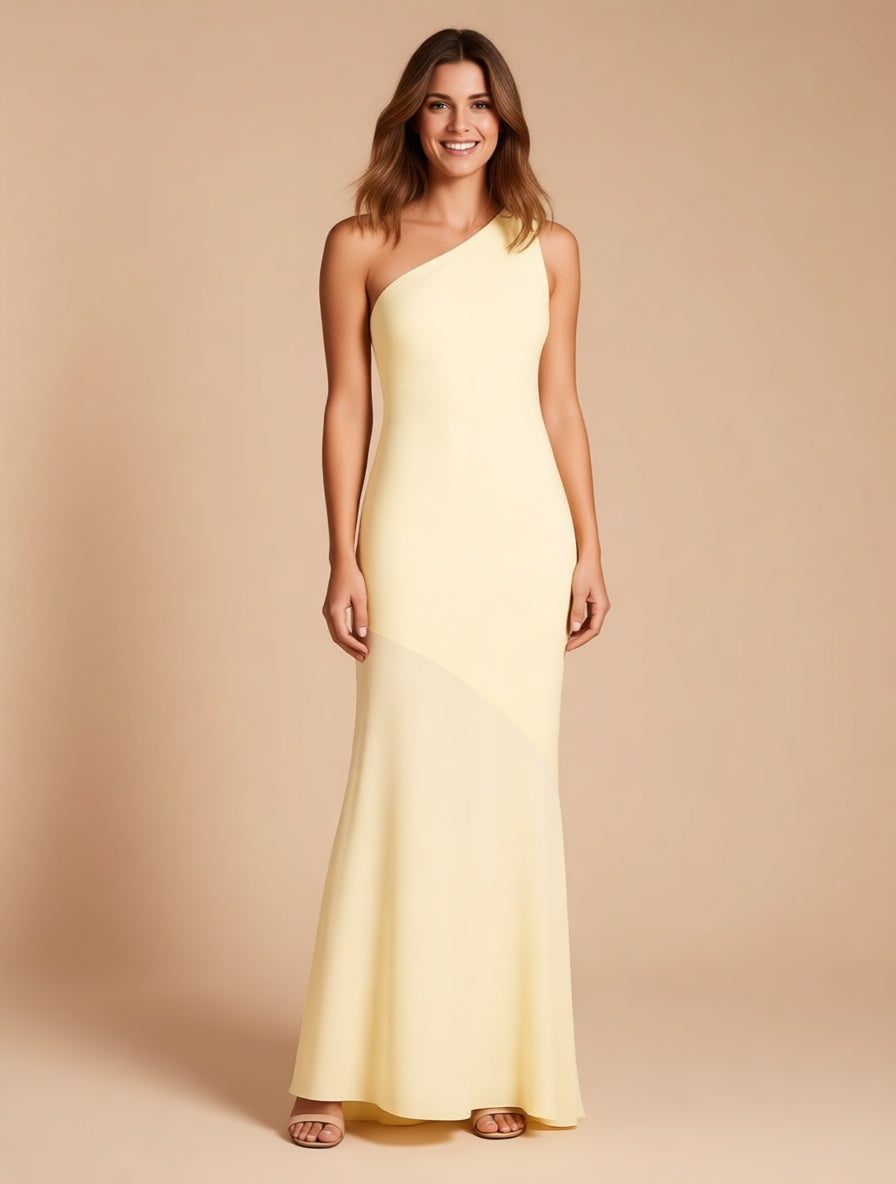
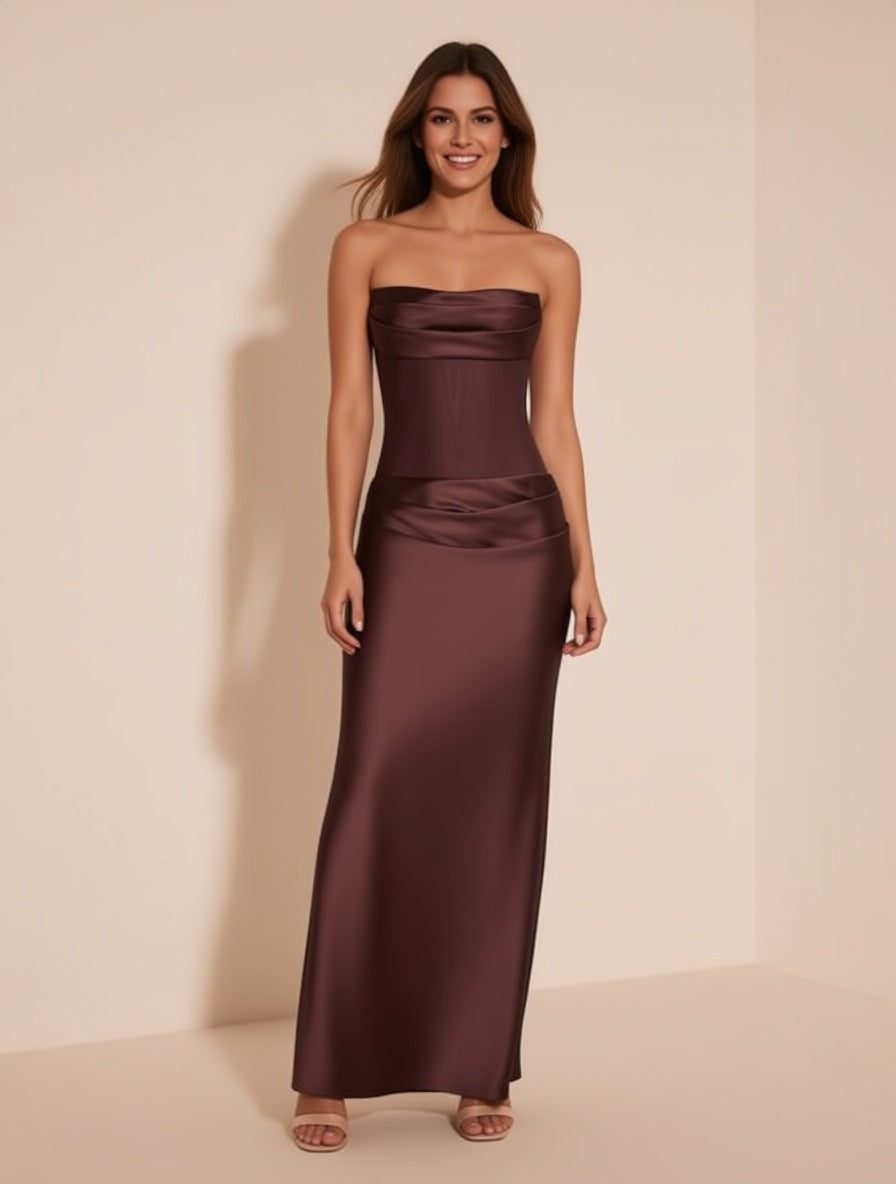
The classic choice is a ball gown with a fitted bodice and a full skirt, which is the shape the dress code was built around and the best one for dancing. A slim floor-length evening gown is equally correct. Either way, the dress is full-length.
Debrett's notes that it is traditional, but not essential, to show decolletage, so a strapless or open neckline is in keeping, and a covered one is not wrong. Fabric should be clearly evening: silk, satin, taffeta, velvet, fine lace. The Gentleman's Gazette guide recommends a full-skirted ball gown, which is also the practical choice when there will be dancing.
Gloves
Long gloves were once expected and are now optional. Many guests leave them out. If you do wear them, the etiquette is specific. Debrett's says gloves are worn on the way to the event, in a receiving line, when shaking hands and when dancing. They come off to eat, even for a single canape, and at the dinner table they are removed finger by finger and rested on the lap under the napkin.
The logic of the rule is easy to remember: gloves are for arriving, greeting and dancing, and they never touch food.
Tiaras and jewellery
White tie is the one occasion for the finest jewellery, and the one dress code where a tiara is correct. Debrett's adds the traditional restriction: tiaras were worn for the first time by brides, and it is considered incorrect for young girls to wear them at all. In practice a tiara is a choice for married women at the most formal events, and nobody is obliged to wear one.
For everyone else the guidance is generous. Necklaces, earrings and bracelets can all be worn together in a way that would be too much at black tie.
Bag, shoes and coat
The evening bag should be small and elegant, large enough for a phone and a lipstick. Shoes are evening shoes, and because white tie events usually involve hours of standing and dancing, comfort is not a small matter. Over the dress, Debrett's asks for a smart evening coat, a cloak, a pashmina or a wrap in a suitable fabric. An everyday coat is the one mistake that is visible before you have even arrived.
White tie and black tie compared
The two are easy to confuse and the differences are simple. At white tie the dress must reach the floor, trousers are not accepted, gloves may be worn and a tiara is allowed. At black tie a long dress is standard but a formal knee-length dress or evening trousers are accepted, gloves are not part of the code and tiaras are out of place.
If you are invited
Take the invitation literally. Choose a floor-length formal dress in an evening fabric, plan the coat and the bag, and decide early about gloves so that you can practise taking them off. If you have never worn a full skirt, walk and sit in it before the evening. White tie is strict, but it is also clear, and there is some freedom in a dress code that has already made most of the decisions for you.
| Element | White tie | Black tie | |
|---|---|---|---|
| Dress | Full-length ball gown or formal evening gown | Floor-length evening dress is standard | |
| Shorter dresses | Not acceptable | A fitted dress to just below the knee is accepted | |
| Trousers | Not acceptable | Evening trousers in a palazzo cut are accepted | |
| Gloves | Long gloves, optional | Not part of the dress code | |
| Tiara | Correct, traditionally for married women | Not worn | |
| Jewellery | The finest pieces, worn generously | Fine or costume jewellery |
Shop the look