Black Tie Optional Dress Code for Women: What to Wear — Why the Word "Optional" Barely Changes What You Should Put On
The phrase sounds like it loosens the rules for everyone, but for women it mostly loosens one thing: how far above the ankle your hem is allowed to be.
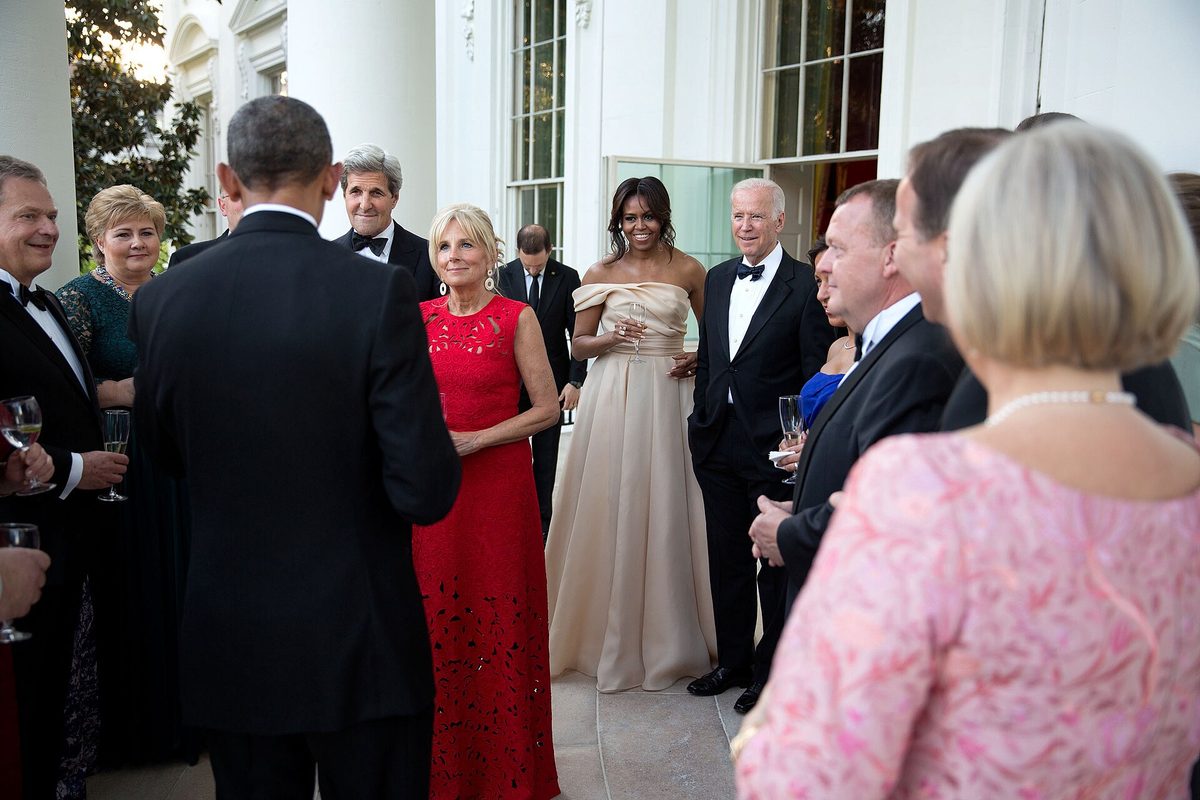
"Black tie optional" is the dress code that causes the most second-guessing of any invitation wording, and the confusion is reasonable: the phrase sounds like it's offering a real choice, but what it's actually doing is giving men permission to skip the tuxedo while asking women to stay almost exactly where they'd be for strict black tie.
What the phrase is actually telling you
Black tie optional means the hosts are dressing in standard black tie or its formal equivalent and inviting guests to do the same, without requiring it. It exists mainly to spare men the cost or hassle of renting a tuxedo for a single event, and the flexibility it grants is concentrated almost entirely on menswear — a dark, formal suit becomes an acceptable substitute for a tuxedo. For women, the honest version of this dress code is: formal attire is still expected, and the gap between "black tie" and "black tie optional" is narrower than the name implies.
The one real difference for women: hemline
Where black tie optional does meaningfully loosen the rules for women is hemline. Strict black tie calls for a floor-length gown, full stop. Black tie optional opens the door slightly wider: a floor-length gown is still the safest and most correct choice, but a dress that shows the ankle — a very formal midi, in a fabric and construction that reads as evening wear rather than daytime — is generally accepted where it wouldn't be at a strict black-tie event. What doesn't become acceptable is anything above the knee; that crosses into cocktail territory and misses the formality the invitation is actually asking for.
Fabric and construction matter more than length alone
A long dress in the wrong fabric reads as less formal than a well-chosen midi in the right one, which is why fabric does more work here than most guests assume. Satin, silk, beaded chiffon, velvet and structured crepe all read as appropriately formal; cotton, jersey and anything with a casual, daytime finish do not, regardless of how long the dress is. Structural details help signal formality too — a defined waist, a fuller skirt, embellishment at the neckline or hem — because they're the visual cues that separate an evening gown from a dress that simply happens to be long.
Colour: more freedom than black tie, not unlimited freedom
Classic black tie leans toward black, navy and jewel tones as the safest palette. Black tie optional keeps that same safe zone — black, navy, charcoal, emerald, sapphire, burgundy — but tolerates a somewhat broader range than strict black tie would, including softer metallics and deeper warm tones, as long as the fabric and silhouette still clearly read as formal. What it doesn't open up is pastel, bright daytime colour, or anything that would look equally at home at a daytime wedding or garden party; the colour range expands, but the formality bar doesn't drop with it.
Where people actually get this wrong
The most common misread of black tie optional isn't choosing the wrong colour or the wrong shoe — it's treating "optional" as license to drop a full formality level, the same mistake that causes some guests to show up in cocktail dresses to what is, in practice, a black-tie room. The safer read of the word "optional" is that it's addressed to the people deciding between a tuxedo and a dark suit, not to anyone deciding between a gown and a sundress. If a guest is genuinely unsure which way to lean, going a notch more formal rather than less costs nothing socially and avoids the one outcome that actually stands out at a formal event: being visibly underdressed next to a room of gowns and tuxedos.
Shoes and accessories
Heels are the default; a formal flat or low block heel in a true evening fabric (satin, metallic leather) can work for a guest who needs to be on her feet all night, but a casual flat reads as a mismatch against a formal gown regardless of how good the dress itself is. Jewellery should lean toward refined rather than maximal — a statement earring or a well-chosen clutch does more for the look than piling on multiple strong pieces at once, which can tip an otherwise correct outfit into looking overdressed rather than formal.
What crosses the line
The most common mistakes at a black tie optional event aren't about missing the formality mark by a mile — they're about missing it by a little. A cocktail dress that would be perfectly appropriate at a cocktail-attire event reads as underdressed here. A cold-shoulder or slip dress in casual fabric, however long, doesn't clear the bar either, because construction and fabric are doing as much work as length in this dress code. And a cream or ivory dress, while not against any rule, is worth avoiding out of simple courtesy if the event is a wedding, where that colour range is reserved for the bride regardless of the stated dress code.
Reading the rest of the invitation for clues
When the dress code line is the only formality signal on the invitation, the rest of it usually isn't: venue, start time and the host's own past events all narrow things down further. A black tie optional invitation to a hotel ballroom or a gala with a seated dinner after 7pm is firmly in gown-or-formal-midi territory. The same wording for an early-evening cocktail hour at a more casual venue, or a wedding reception that starts outdoors before moving inside, can sometimes land a notch more relaxed in practice than the phrase alone suggests — though when in doubt, it's safer to be slightly overdressed at a formal event than underdressed next to a room full of floor-length gowns and tuxedos.
What to do about outdoor or cold-weather versions
Black tie optional events held partly outdoors — a garden reception before an indoor dinner, a rooftop cocktail hour in cooler months — create a real practical problem: most formal wraps read as too casual next to a floor-length gown. A structured wool or velvet coat in a solid, dark colour works where a casual jacket or a cardigan won't; a faux-fur or velvet stole is the traditional formal-wear solution and still the safest choice specifically because it's designed to sit over eveningwear without undercutting it. Denim jackets, puffer coats and anything with a visibly casual silhouette break the formality of even a perfectly chosen gown underneath.
The bottom line
Treat "black tie optional" as closer to "black tie, with slightly more room on hemline and colour" than as genuine permission to dress down. The floor-length gown is still the default and the safest choice; a formal midi in evening-appropriate fabric is the one real alternative the phrase opens up. Everything else — fabric quality, structure, shoe formality, restrained jewellery — should land in exactly the same place it would for strict black tie, because that's where the hosts' own dress is landing too.
| Black Tie | Black Tie Optional | Cocktail Attire | |
|---|---|---|---|
| Dress length | Floor-length only | Floor-length preferred; a formal midi showing the ankle is acceptable | Knee-length to ankle; full gowns are discouraged |
| Fabric | Satin, silk, beaded chiffon, structured crepe | Same formal fabrics as black tie | Polished fabrics with some shine; less strict than black tie |
| Colour range | Black, navy, deep jewel tones | Black, navy, charcoal, jewel tones, soft metallics | Wider range, including brighter colours and prints |
| Shoes | Formal heels | Formal heels, or a formal low heel/flat in evening fabric | Heels or dressy flats |
| Avoid | Anything above floor length, casual fabric | Above-the-knee hemlines, casual or daytime fabric | Full-length gowns, overly casual fabric |
Related articles
- Black Tie Dress Code for Women: What to Wear and Avoid — Length, Fabrics, Colours and Where Trousers Stand
- Cocktail Attire for Women: What It Means and What to Wear — Length, Fabrics and How It Differs From Formal
- White Tie Dress Code for Women: What to Wear — The Strictest Invitation, Explained
- Garden Party Dress Code for Women: What to Wear — Why the Shoe Matters More Than the Dress, and What Changes If the Garden Is Buckingham Palace's