Creative Black Tie Dress Code for Women: What to Wear — Why "Creative" Means One Clear Idea, Not Five
The code keeps black tie formality and invites one personal twist. Here is how to read it, build it and avoid overdoing it.
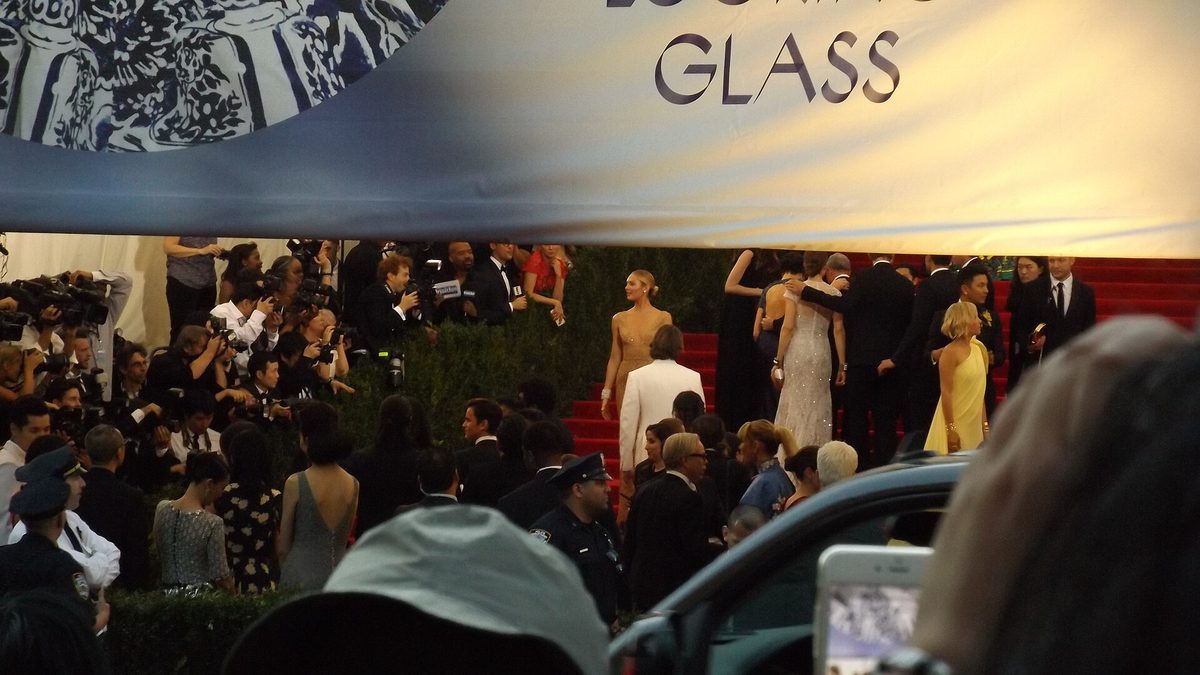
Creative black tie is the dress code that looks like black tie and then asks you to do something with it. The invitation is telling you that a long evening dress is still the baseline, and that the host would like to see some personality on top. It is also one of the most misread codes, because "creative" sounds like permission to wear almost anything. It is not. This guide explains what the phrase actually asks for, what you can change, what you should leave alone, and how to build an outfit that works whether you are headed to a museum gala, a charity ball or a premiere afterparty.
What does creative black tie actually mean?
Emily Post describes it as "attire with a black-tie foundation with room for some creativity and flair." That sentence does most of the work. The foundation is black tie: evening-length formality, evening fabrics, evening shoes. The room for creativity is the part you are allowed to change: texture, colour, silhouette and accessories.
For women, Emily Post lists the same options as for standard black tie, a formal floor-length evening gown, a dressy cocktail dress or your dressiest little black dress, and adds one thing for the creative version: fun or unique accessories. In other words, the code does not ask you to leave the dress family at all. It asks you to make one choice that is clearly yours.
A menswear guide from Bespoke Unit, which calls the code a creative twist on black tie and notes it is also known as Hollywood black tie, puts the same idea in a rule of thumb: add one colour to the outfit. That advice is written for men's suiting, but the logic carries over. One deliberate departure reads as creative. Five reads as a costume.
How is it different from black tie and black tie optional?
Standard black tie leaves little room to move. The floor-length gown is the safe answer and almost everyone gives it. Black tie optional, which we cover in a separate guide, relaxes the requirement for the men, who may wear a dark suit instead of a tuxedo, and lets women choose between a long gown and an elegant cocktail dress. Creative black tie keeps the black tie level of dressiness but changes what is welcome: a bolder colour, an unusual fabric, a jacket or separates in place of a one-piece gown.
The simplest way to hold the three apart is to ask what the host is relaxing. Black tie optional relaxes the tuxedo. Creative black tie relaxes the uniform. Neither one relaxes the standard of finish.
What can you play with?
Think of five dials, and turn one or two of them rather than all five.
Colour. Black is never wrong, but this is the code where it is allowed to step aside. Deep jewel tones, a rich metallic or a single bold shade are all in range. If you are unsure, a saturated colour in a plain cut looks more intentional than a pale print in a fussy one.
Texture and fabric. Satin, velvet, crepe, brocade, sequins and beading all read as evening. Matte cotton poplin, jersey and anything that looks like daywear do not, however well they are styled.
Silhouette. A sharp column, a ballgown skirt, a jumpsuit or a tailored tuxedo-inspired set can all sit comfortably here. The test is whether the piece looks like it belongs after dark.
Separates. Look Online's Marilyn Kirschner, in a June 2025 piece on the code, says that for women the look often involves evening separates, though she does not rule out a gown if it is "great." A black silk shirt with a floor-length sequined skirt is a classic example of that approach, and the article cites one worn at the 2010 CFDA Awards.
Accessories. This is the dial Emily Post names directly. A sculptural clutch, statement earrings, an unusual shoe or a bold belt can carry the creative idea while the dress stays simple.
What does it look like on real people?
Kirschner's article gives several named examples from public events. At the 2025 El Museo Gala, Hiandra Martinez wore an appliqued denim coat with wide-legged trousers, which the piece calls a perfect example of the code. At the 2025 ABT Spring Gala, Catherine Hurlin wore a black parachute-cloth Vera Wang Couture gown with graphic striped pumps. Lauren Veronis wore a vintage tri-colour Galanos caped gown to the 2025 New York City Ballet Spring Gala, and Jean Shafiroff wore a cornflower blue Victor de Souza couture gown with a bolero to the 2025 NYBG Conservatory Ball, which the article calls unique and unexpected.
What these looks have in common is useful. The shapes are evening shapes. The fabrics are substantial. And in each case the unexpected element is one clear idea: the denim as a coat, the striped shoe, the cape, the bolero. None of them tries to make every element stand out at once.
Who is it really for?
Kirschner's examples all come from arts and charity galas, which is where hosts tend to want a room that looks lively rather than uniform.
A simple way to build the outfit
Start with the dress code's foundation. Choose a floor-length gown, a dressy cocktail dress or your best black dress, and make sure it is in an evening fabric.
Pick one creative move. It might be colour, a cape or jacket, an unexpected shoe, or a striking piece of jewellery. Write it down if you have to. If you cannot name your one move in a few words, you probably have too many.
Keep everything else quiet. If the dress is bold, keep the shoes and bag simple. If the dress is plain, let the accessories speak.
Check the finish. Hems pressed, shoes polished, jewellery that looks deliberate. Creative black tie is not a relaxed code in terms of grooming and fit.
Think about the room. A contemporary art museum can take more risk than a hotel ballroom. If you cannot tell, the host's tone and the venue are the best guides, and asking the organiser is always fine.
What to avoid
Daywear dressed up. A sundress with heels is not creative black tie. Denim worked when it was an appliqued coat over wide trousers in an evening context, and it was one piece among formal ones, not the whole outfit.
Costume. The code invites personality, not a theme. A themed dress code is a different brief altogether, and an invitation that simply says creative black tie does not call for a sculpture.
Too many ideas. A metallic gown, a feathered stole, an oversized hat and neon shoes cancel each other out. Kirschner's article warns that trying too hard can backfire, and that is worth remembering when the temptation is to add one more thing.
Under-dressing. Creative does not mean casual. If you are choosing between a daytime fabric that is interesting and an evening fabric that is plain, choose the plain evening fabric.
Quick reference
The table below sums up the code at a glance, set against the two codes it is most often confused with.
The short version
Think of creative black tie as black tie with one signature. Keep the evening-length formality, choose one thing that is distinctly yours, and let the rest of the outfit be quiet and well finished. If your outfit can be described in a single sentence, with one creative idea in it, it is almost certainly right for the room.
| Black tie | Black tie optional | Creative black tie | |
|---|---|---|---|
| Dress length | Floor-length is the safe answer | Gown or elegant cocktail dress | Gown, dressy cocktail dress or best black dress |
| Colour | Black and deep classics | Open, evening tones | Open; one bold choice welcome |
| What is relaxed | Little | The tuxedo requirement | The uniform look |
| Accessories | Refined, formal | Refined | Fun or unique, per Emily Post |
| Risk | Looking underdressed | Looking too casual | Doing too much at once |
Related articles
- Black Tie Optional Dress Code for Women: What to Wear — Why the Word "Optional" Barely Changes What You Should Put On
- Semi-Formal Dress Code for Women: What to Wear and Avoid — Why Fabric Matters More Than Length, and Length Matters More Than Color
- White Tie Dress Code for Women: What to Wear — The Strictest Invitation, Explained
- Garden Party Dress Code for Women: What to Wear — Why the Shoe Matters More Than the Dress, and What Changes If the Garden Is Buckingham Palace's