Dressy Casual Dress Code for Women: What to Wear — Five Outfit Formulas, and the Jeans Question Even Etiquette Guides Split On
The one-step-above-casual code, explained with outfits you can actually put together.
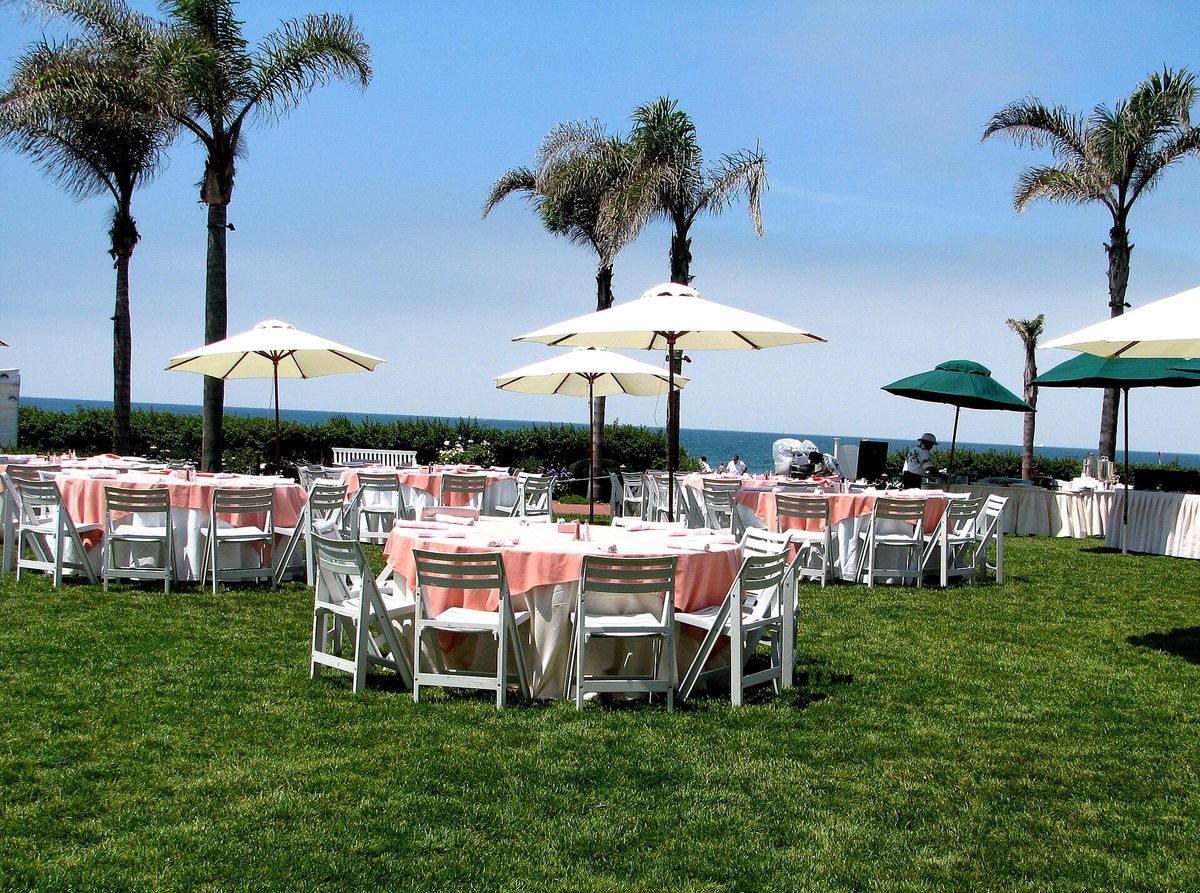
Dressy casual is the dress code that confuses people most, because it sounds like two opposites glued together. Emily Post calls it "a versatile balance between formal and casual." In practice it means your everyday clothes, one step up: the same kind of pieces you would wear on a good day out, but cleaner, better cut and in nicer fabric. It shows up on invitations to daytime weddings, bridal and baby showers, graduation lunches, rehearsal dinners and restaurant evenings where the host wants everyone to look nice without renting a gown.
Where dressy casual sits on the scale
Think of dress codes as a ladder. Casual is at the bottom: Emily Post describes it as "informal and comfortable, yet clean and professional." Business casual is the office rung, which Emily Post sums up as slacks, khakis or a skirt with a dress shirt, blouse or polo. Dressy casual is a notch above both, and semi-formal comes after it. Emily Post describes semi-formal as "more formal than what you would wear to an office," with a short afternoon or cocktail dress, a little black dress, or dressy separates for women.
The easiest way to place yourself is to ask what is missing compared with semi-formal. A dressy casual outfit does not need the cocktail dress, the evening fabric or the sparkle. It does need to look chosen. Where semi-formal says you dressed for the event, dressy casual says you dressed well for the day.
What to wear: the formulas that work
Emily Post's list for dressy casual is short and flexible: dresses, a skirt with a dressy top, dressy pants outfits, and nice jeans with a dressy top. SuitShop's 2026 guide adds more tailored versions, including a midi skirt with a structured top, a tailored blazer over a fitted dress, and a polished jumpsuit. Put the two lists together and you have five reliable formulas.
A midi or knee-length dress in a fabric with some weight, such as crepe, a fine knit or a matte satin, is the easiest option because the outfit is finished the moment you put it on. A wrap, shirt or slip dress all work. Skip anything that clings, wrinkles on sight or looks like beachwear.
A midi skirt with a structured top is the second option. The skirt can be pleated, satin or a smooth knit; the top should have shape, such as a fitted knit, a crisp blouse or a bodysuit under a jacket. Structure matters here because it is what separates this from a weekend outfit.
Tailored trousers with a blouse or fine knit are the third. Wide-leg or straight trousers in crepe, wool blend or satin read as dressy; stretch leggings and joggers do not. Wantable's 2018 guide suggests jogger-style trousers with a white blouse for a cocktail-leaning look, which works only if the trousers are in a fluid, smooth fabric and not sweatshirt jersey.
A blazer over a dress or trousers is the fourth, and the one that rescues a simple outfit. A tailored blazer makes a plain dress look deliberate, and SuitShop points out that lighter colours suit spring and summer while deeper tones suit autumn and winter.
Nice jeans with a dressy top are the fifth, and the one with the most disagreement. Emily Post includes them. SuitShop says no jeans at all. The practical answer is to follow the invitation: if the event is a restaurant dinner or a relaxed party, dark, clean, well-fitting jeans with a silk-feel blouse or a fine knit and heels are fine. If it is a wedding or a formal-leaning event, wear trousers or a skirt and avoid the question.
Shoes and bags
Shoes are where most dressy casual outfits succeed or fail. Wantable recommends pumps for the cocktail-style look and comfortable flats for a day that moves between events. SuitShop says sneakers and sandals generally fall outside the code unless they are clearly elevated styles. So heels, block heels, loafers, pointed or almond-toe flats and dressy ankle boots are all safe. Clean white sneakers and flip-flops are not.
A structured or small bag finishes the look. Leave the gym tote and the canvas shopper at home; a leather or leather-look bag in a plain colour does more for the outfit than any accessory.
What to avoid
Wantable's advice is to avoid shorts, basic t-shirts, distressed denim and sneakers, and SuitShop adds athletic wear and anything overly casual. That covers the main mistakes. Add three more from the logic of the code: very short hemlines, because the point is polish and not a night-out outfit; sheer or beachy fabrics in the daytime; and anything that needs adjusting every ten minutes.
The opposite mistake is just as common. SuitShop is clear that black-tie formalwear and full formal codes are also wrong. A floor-length gown or sequins at a dressy casual lunch will make the host's other guests feel underdressed, which is the opposite of what a dress code is for.
Does the time of day matter?
Yes. Emily Post advises that for events later than 6 p.m., "you'll want to err on the side of formality." That applies at the top of the ladder, but the same instinct is useful here. A dressy casual lunch can be a cotton-blend or linen dress with flats. A dressy casual dinner calls for darker colours, a smoother fabric and a heel. When you are unsure, SuitShop's own tip is the right one: "When in doubt, err slightly more formal."
How to dress it up or down
Because the code is flexible, one outfit can move up or down the scale with small changes. Add a satin blouse, a heel and a small structured bag to dark trousers and you are close to cocktail attire. Swap the heel for a loafer and the satin for a knit and the same trousers work for a work event. Luxe Digital makes the same point about casual clothes in general: you can dress skirts up with heels and satin shirts. The shape of the outfit stays and only the finish changes.
A good test before leaving the house is to check three things: nothing is wrinkled or worn, at least one piece has structure (a blazer, a tailored trouser, a fitted knit), and the shoes could be worn to a restaurant with tablecloths. If all three are true, you are dressed correctly for dressy casual.
The short version
Dressy casual means your ordinary wardrobe at its best. Choose one polished piece to carry the outfit, keep the rest simple, wear real shoes, and look at the invitation for clues about the time, place and season. When the host's wording is vague, dress slightly up and not down.
| Business casual | Dressy casual | Semi-formal | |
|---|---|---|---|
| Dress | Optional, knee-length | Midi or knee-length, structured fabric | Short afternoon or cocktail dress, little black dress |
| Separates | Skirt or slacks with a blouse | Midi skirt with a structured top, tailored trousers | Dressy separates, long dressy skirt with a top |
| Jeans | Depends on the office | Nice jeans only if the host allows (Emily Post yes, SuitShop no) | No |
| Shoes | Flats, loafers, low heels | Heels, loafers, polished flats | Heels |
| Typical event | Office | Daytime wedding, shower, restaurant dinner | Evening party, formal dinner |
Related articles
- Cocktail Attire for Women: What It Means and What to Wear — Length, Fabrics and How It Differs From Formal
- Smart Casual Dress Code for Women: What to Wear — The One Rule Covers Dinner, Work Drinks and a Wedding-Adjacent Event at Once
- Semi-Formal Dress Code for Women: What to Wear and Avoid — Why Fabric Matters More Than Length, and Length Matters More Than Color
- Creative Black Tie Dress Code for Women: What to Wear — Why "Creative" Means One Clear Idea, Not Five